©

Ot Sainte Maxime Lea Scappini 8218

Eco-friendly actions: living sustainably

Ajouter aux favoris

Travelling means opening yourself up to new experiences… but it’s also an opportunity to make choices that protect our planet. Choosing to travel responsibly means reducing your environmental impact, supporting the local community and preserving biodiversity. Here are a few simple tips to help you make the most of your trip, whilst respecting the environment.

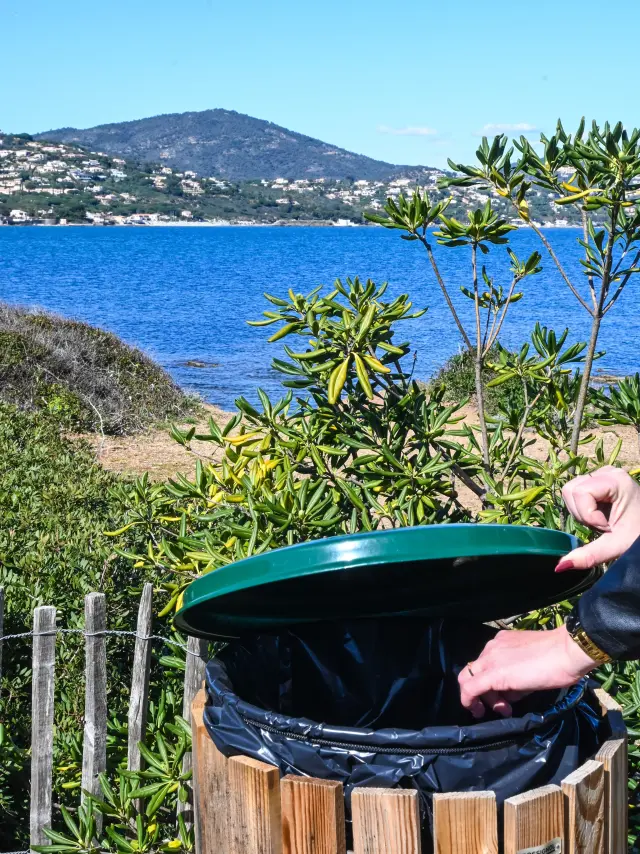
 Waste management

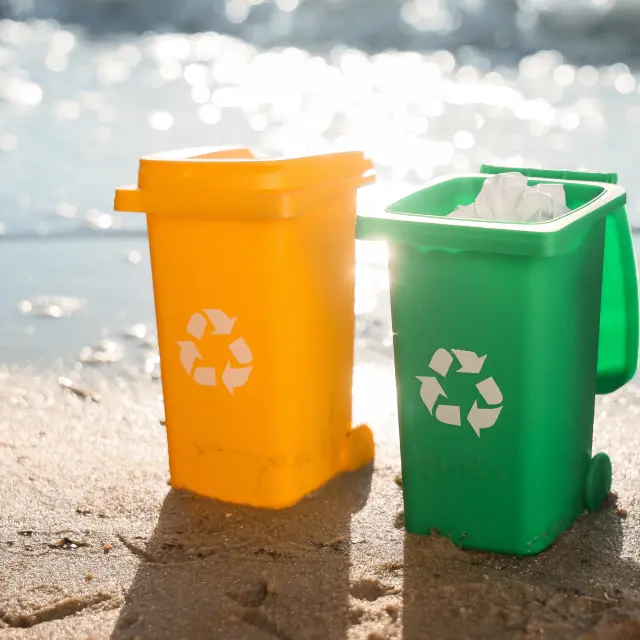
Waste management plays a vital role in preserving the natural environment and quality of life. Across the region, waste collection and treatment are organised to minimise their impact on the environment and to promote recycling.

Tailored solutions enable everyone to sort their waste easily on a daily basis. Packaging, paper, glass and household waste follow specific collection routes, contributing to recycling and reducing the volume of waste sent to landfill. For special types of waste, such as bulky items or green waste, dedicated drop-off points are available and spread across the Gulf of Saint-Tropez.

The recovery of organic waste is also part of the measures put in place. Composting and the collection of bio-waste enable food scraps to be transformed into useful resources, in line with an environmentally friendly circular economy approach.

Sorting your waste, using the facilities provided and following local guidelines are all simple yet essential steps towards protecting the environment and promoting more responsible and sustainable tourism.
 Best practice for swimmers

Simple steps for responsible swimming:

  • Being a responsible swimmer comes down to a few simple actions:
  • Pick up and sort your rubbish and any you find nearby
  • Choose reusable packaging for your picnics
  • Do not collect shells, Posidonia or sand. These are essential to the biodiversity of the beach and the sea
  • Use eco-friendly sun cream
  • Opt for carbon-neutral leisure activities such as sailing, stand-up paddleboarding, kayaking or windsurfing…

 Best practice for walkers

Walking in the great outdoors also means learning to respect nature:

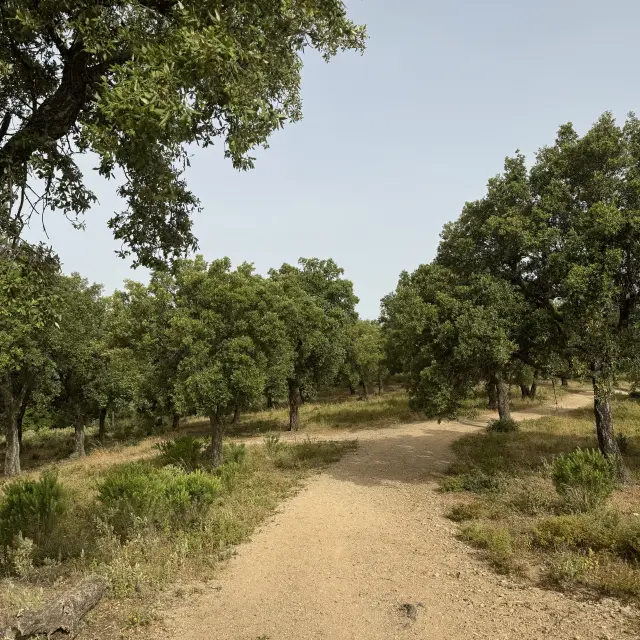
  • Walk with respect for the environment and stay on the paths.
  • The paths often cross private land or protected areas.
  • Access to these areas is not permitted.
  • Observe the flora and fauna without picking or damaging wild plants and animals.
  • Many plants are protected by law.
  • Take the time to admire nature without wild camping or leaving rubbish behind.
  • Protect birds and other wildlife by keeping dogs on a lead, particularly between 15 April and 30 June.
  • Enjoy the forest whilst following safety guidelines. No cigarettes, fires or barbecues near the forest edges.
  • Find out about the risk of forest fires.

The Responsible Traveller’s Charter 

See also