©

Photographer & environmental educator

|

Florent BEAU

Spotlight on Posidonia 

Spotlight on Posidonia

Ajouter aux favoris

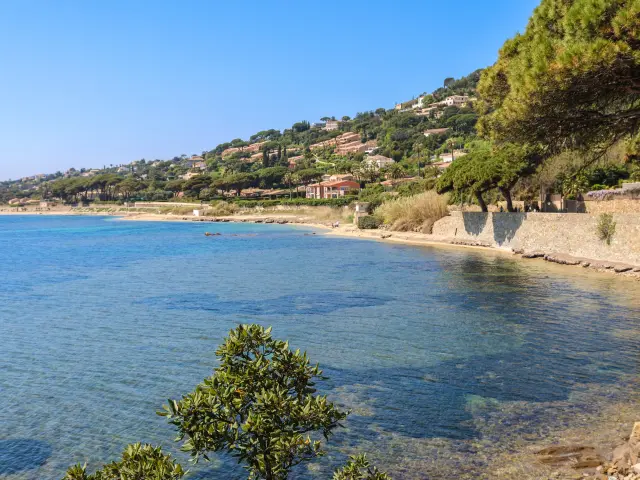
In the heart of the Gulf of Saint-Tropez, Posidonia carpets the seabed and plays a vital role in maintaining the balance of biodiversity. Precious and protected, it is a true ‘lung’ of the Mediterranean that must be preserved every day.

Understanding Posidonia and its vital role 

 Posidonia oceanica

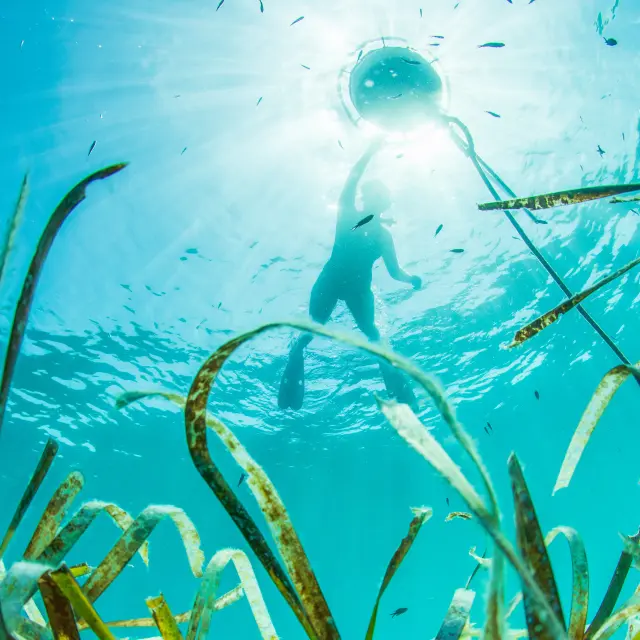
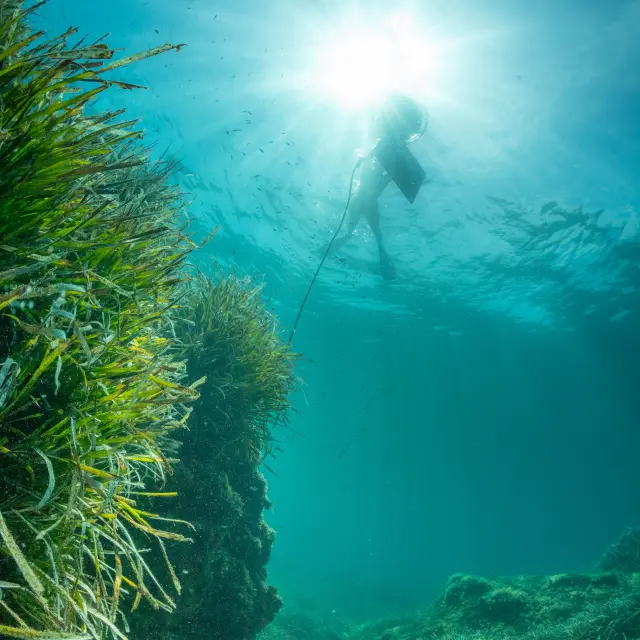
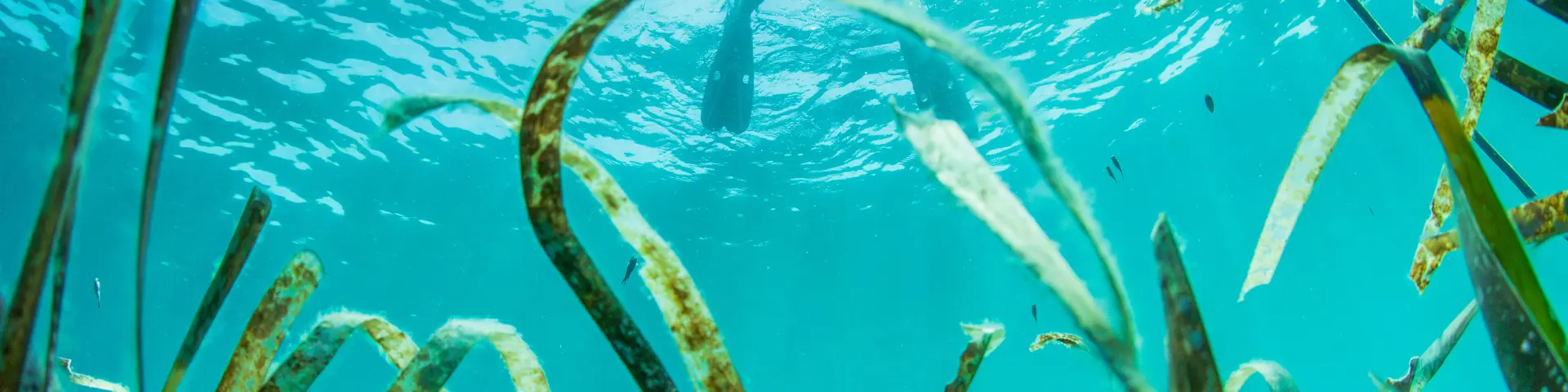
Posidonia oceanica is a plant native to the Mediterranean, often mistaken for seaweed, which forms veritable underwater meadows.

It grows very slowly, at a rate of a few centimetres per year, and can live for several hundred years. Its rhizomes stabilise the seabed and help to create vast green carpets, which are essential for biodiversity.

These seagrass beds provide a habitat for fish, crustaceans and molluscs, produce oxygen and filter the water. In winter, Posidonia also protects beaches from erosion by trapping sand. Its conservation is therefore crucial, not only for flora and fauna, but also for the coastline and human activities.

Our advice: observe the seagrass meadows with respect, and avoid any action that might damage them.
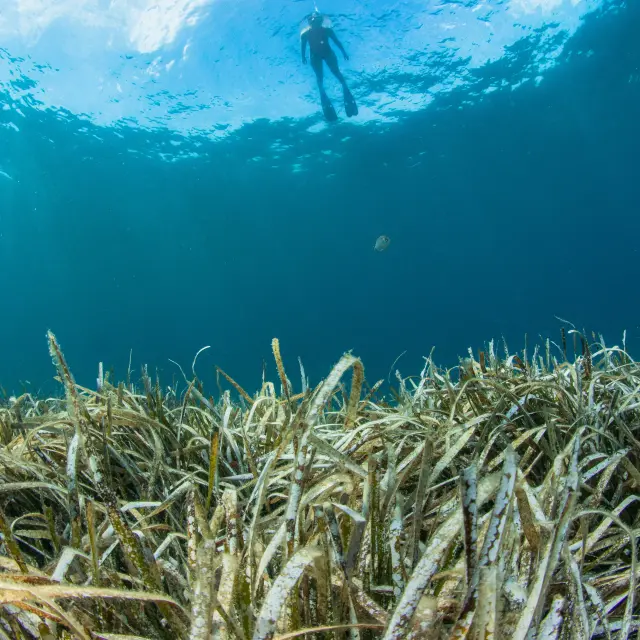
 Observe and respect Posidonia all year round

Even out of season, Posidonia continues to play a vital role. Its rhizomes stabilise the sand and strengthen the coastline’s resilience against winter storms. Protecting these seagrass beds throughout the year ensures safer beaches and a rich marine environment.

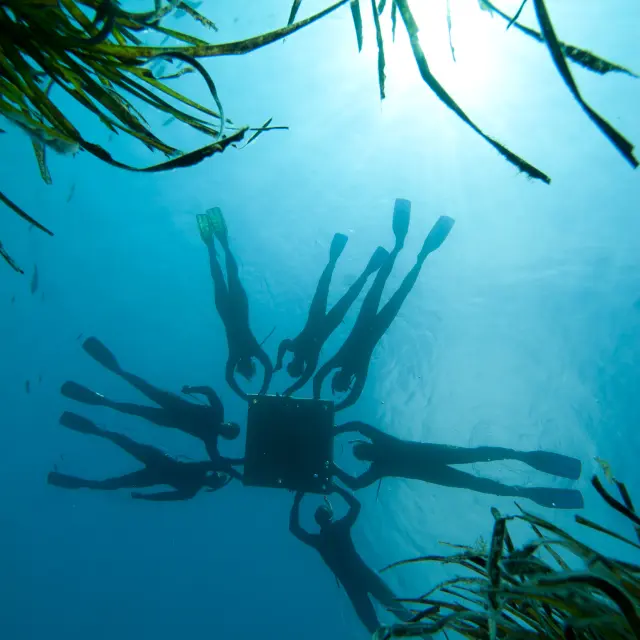
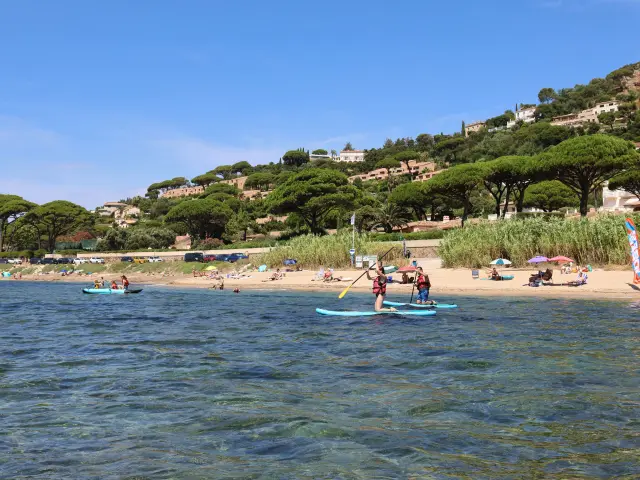
You can explore the Posidonia by snorkelling, on a guided dive, or even from a kayak or stand-up paddleboard. Every action counts in maintaining the Gulf’s delicate balance and ensuring that future generations can enjoy this natural treasure.

Our advice: observe the Posidonia without touching it and opt for low-impact activities to ensure a sustainable and responsible trip.

 Posidonia and water sports

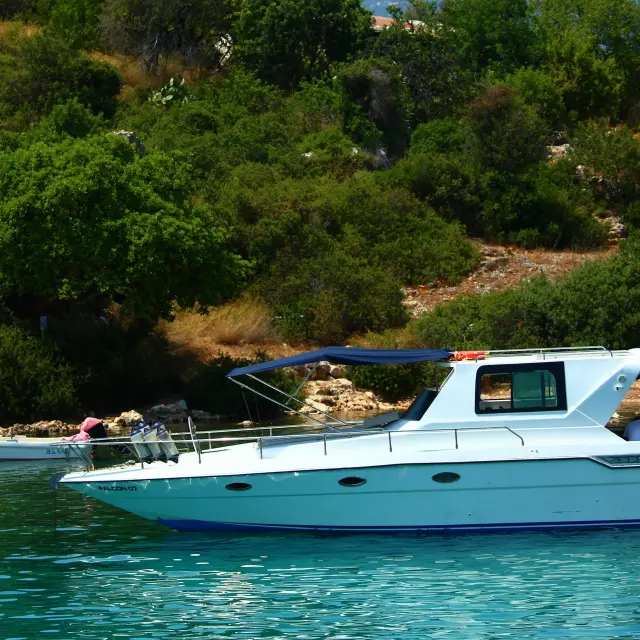
Posidonia is highly sensitive to disturbance. Boat anchors, divers’ fins or repeated passage over the seabed can weaken the seagrass beds.

To enjoy the sea whilst protecting it:

  • only use authorised anchorage areas,
  • use mooring buoys where possible,
  • keep your fins above the seagrass beds when diving or snorkelling,
  • avoid walking or anchoring in the seagrass beds.

These simple actions help to preserve the Posidonia seagrass meadows whilst ensuring everyone’s safety on the water.

Our advice: check with local sailing clubs or the Tourist Office to find out about protected areas and adapt your activities accordingly.

See also