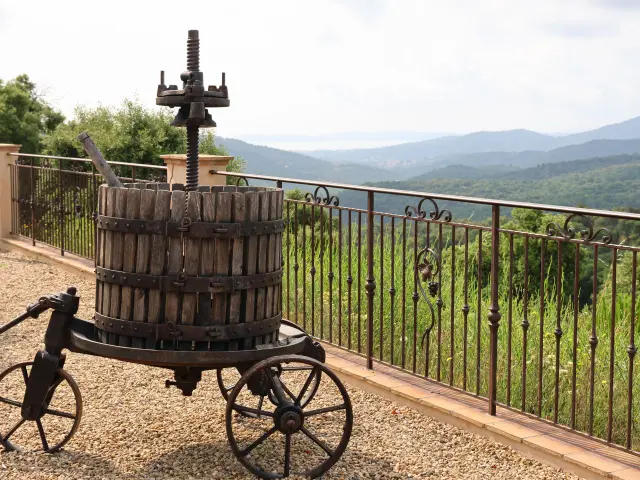

A historical introduction to the Côte d’Azur
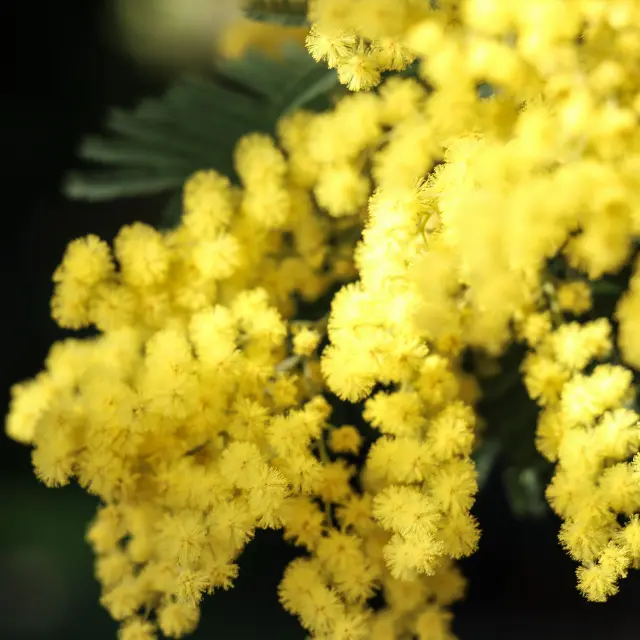
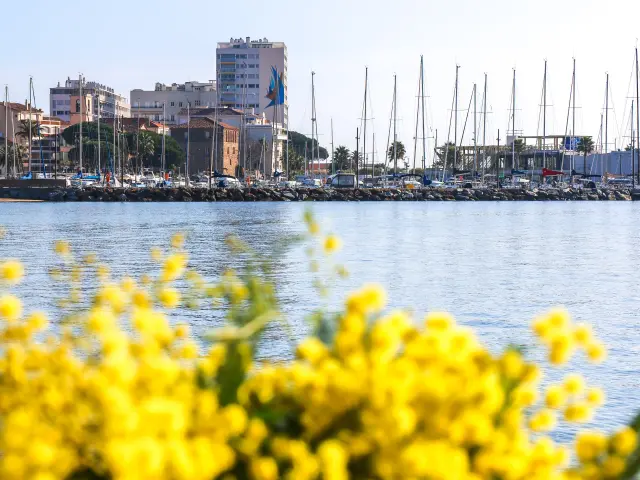
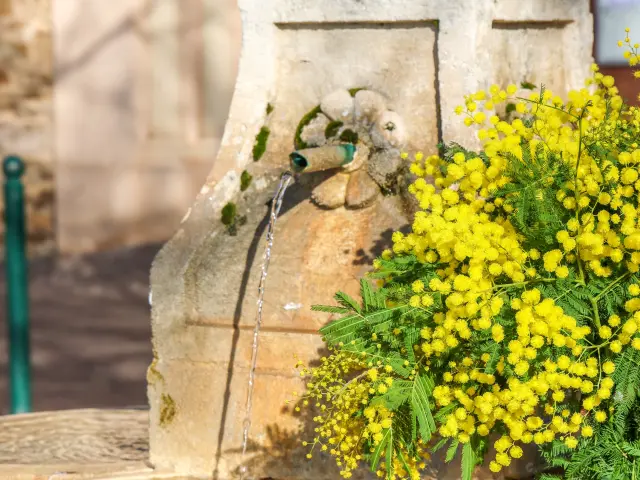
The mimosa, native to Australia, first appeared on the slopes of the Croix des Gardes in Cannes around 1880. Its introduction is likely linked to the arrival of the prominent winter visitors of the time, such as the Duke of Vallombrosa, the Marquis de Morès and Lord Brougham. The Society for Horticulture and Acclimatisation played a major role in promoting it, enabling the mimosa to spread rapidly along the Côte d’Azur.
Very quickly, mimosa growers sprang up throughout the region, particularly in Mandelieu, Pégomas, Tanneron and La Roquette. From the stations in Cannes and Mandelieu, bouquets and mimosa plants were dispatched to all the major cities of France and Europe, popularising this golden flower which had become emblematic of the Côte d’Azur.
The mimosa belongs to the genus Acacia and the order Mimosales. This plant has a wide variety of uses:
– Cut flower for bouquets and decorations
– Ornamental plant for gardens and rockeries
– Defensive hedges or windbreaks
– Soil stabilisation and sand retention
There are currently around 800 known species, but it is estimated that 1,200 species may exist worldwide, each offering its own shade of yellow and delicate fragrance.
Ot Sainte Maxime, Lea Scappini 6141

Ot Sainte Maxime, Lea Scappini 6103
Ot Sainte Maxime, Lea Scappini 6196