©

Ot Sainte Maxime, Lea Scappini, 8205

Remarkable biodiversity

Ajouter aux favoris

In the heart of the Gulf of Saint-Tropez, biodiversity is remarkable, with a wealth of both terrestrial and marine species, and is being preserved every day.

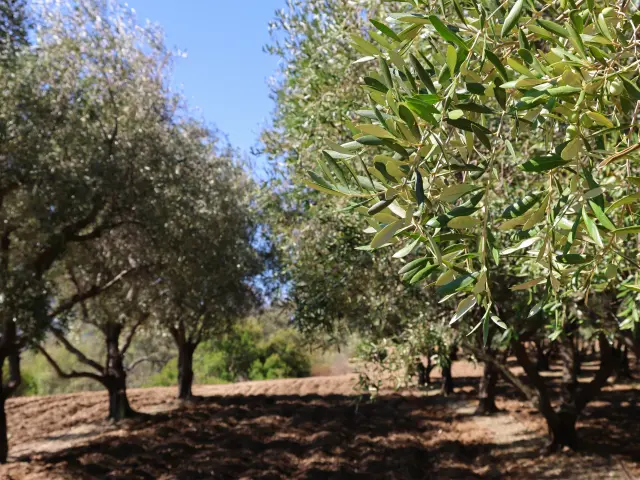
Earth side 

In Sainte-Maxime, the natural landscape provides a setting that invites you to explore. Set amongst wooded hills and unspoilt mountain ranges, it offers the perfect setting to get away from it all and recharge your batteries. Within these designated and protected areas, this unique environment is home to a remarkable diversity of wildlife that must be protected.

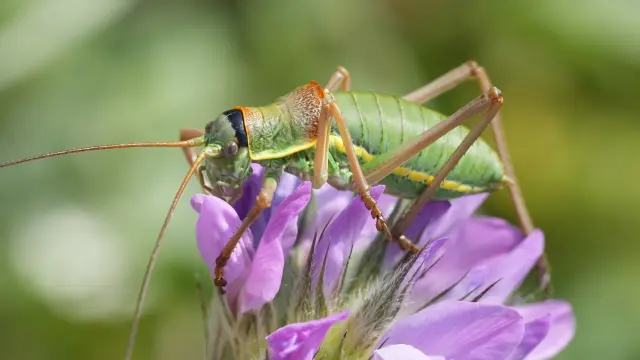
  • The Languedoc Barbitist

Known locally as ‘boudrague’ in Provence, this wingless insect is nicknamed the ‘saddle-bearing grasshopper’. The green larva feeds on petals and leaves, whilst the adult, which is black with shades of green and white, becomes omnivorous. This species is sensitive to disturbances in its habitat.
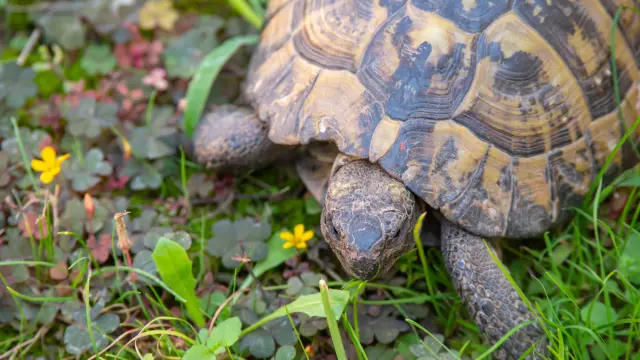
  • Hermann’s Tortoise

A must-see in the Massif des Maures, the Hermann’s tortoise, also known as the Maures tortoise, is an endemic species. It emerges from its winter hibernation in mid-March and is active only during the day, basking in the sun to regulate its body temperature. It feeds on wild plants and fruit that has fallen to the ground. Contrary to popular belief, it can travel several tens of metres a day. As a protected species, its survival depends on the preservation of its natural habitat.
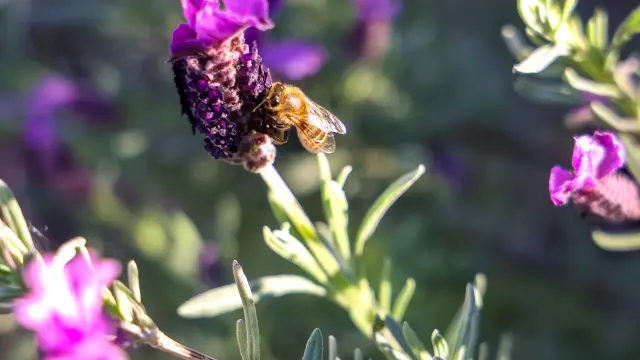
  • The Maures Lavender

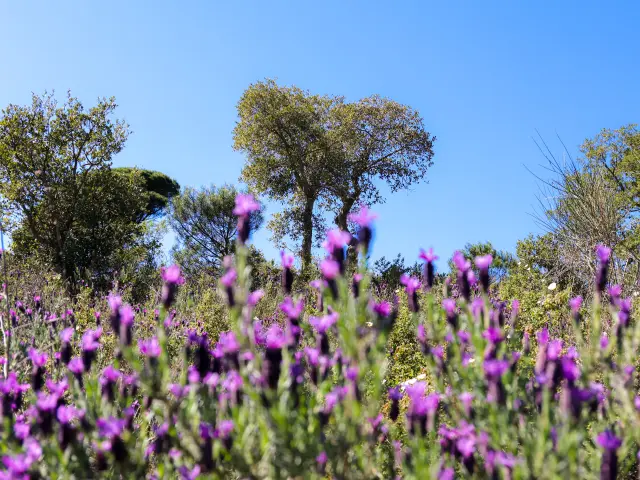
Known as ‘butterfly lavender’, the Maures lavender is the only species of lavender found growing wild in the Massif. It thrives on acidic soils and its large, colourful bracts naturally attract pollinating insects. Its small, deep purple flowers are particularly rich in nectar and contribute to the variety of honeys produced in the region.
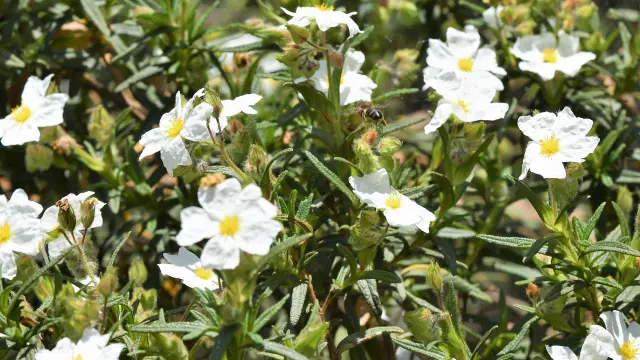
  • The Montpellier rockrose

A large shrub found in abundance in the Massif des Maures, the Montpellier rockrose is easily recognisable by its narrow, glossy and aromatic leaves. It produces large white flowers, sometimes speckled, from April to May. This shrub contributes to the biodiversity of Mediterranean landscapes.
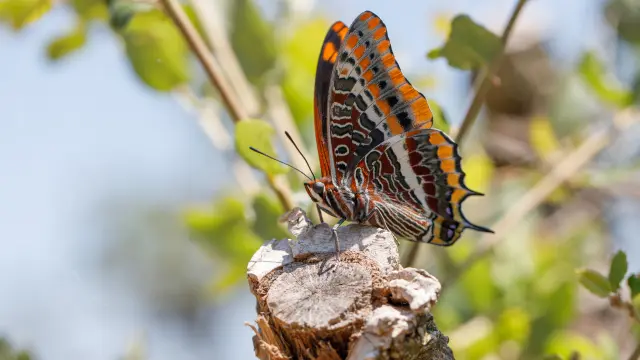
  • The Arbutus Nymphalid, the Moorish Butterfly

This large, colourful butterfly has bright brown and orange wings. It is most commonly seen from May to June, and then from August to October. Its caterpillar, which has small horns at the back of its head, feeds almost exclusively on arbutus leaves, which explains its presence in the Maures.
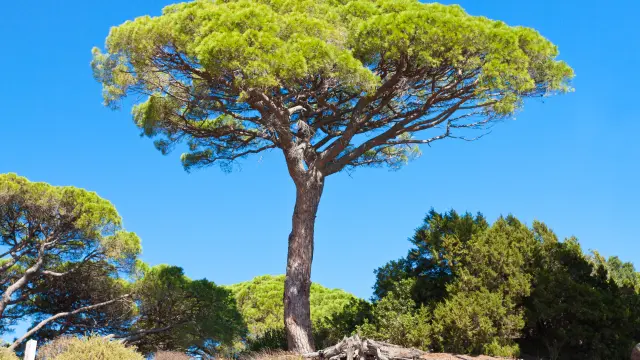
  • The Stone Pine

An iconic tree of the Mediterranean coastline, the umbrella pine, or pine nut tree, develops its characteristic umbrella-like shape as it matures. Its long cones contain the famous pine nuts, which are highly prized in Provençal cuisine.
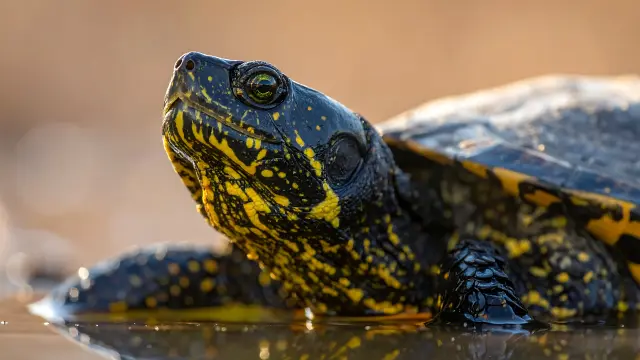
  • The European pond turtle

In rivers, this protected and elusive turtle seeks out areas untouched by human disturbance, where the vegetation on the banks allows it to hide. Like all reptiles, it hibernates in winter and re-emerges between early and late April, depending on the temperature, to enjoy the first sunny days.
Côté Mer 

The Mediterranean Sea is a living and precious heritage. Its natural wealth, biodiversity and the beauty of its seascapes are an integral part of the region’s identity. Preserving this environment is a key commitment for Sainte-Maxime, which works every day to protect its beaches, seabed and iconic species.

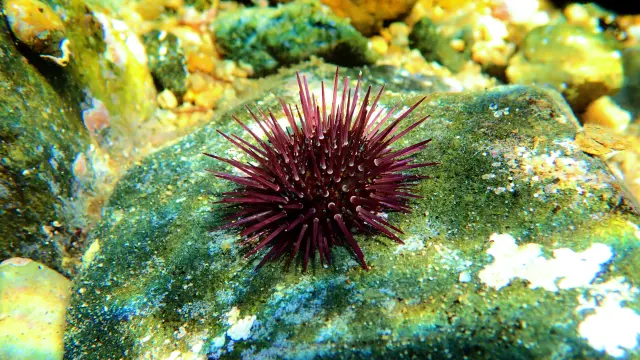
  • The Sea Urchin

The edible sea urchin, with its purple to dark brown spines, moves around using small feet fitted with suction cups. It can turn itself over and camouflage itself by covering itself with seaweed or shells. As a herbivore, it grazes on seaweed and Posidonia using its jaw, known as ‘Aristotle’s lantern’. It is a protected species.

  • Red Coral

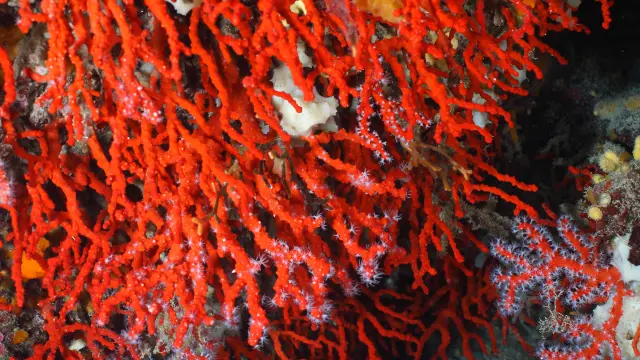
Red coral lives on shaded rocky walls, sometimes at great depths. It forms colonies of thousands of tiny polyps arranged around a bright red, branched skeleton. Their tentacles capture micro-organisms. Highly sensitive to its environment, it is an excellent indicator of water quality.

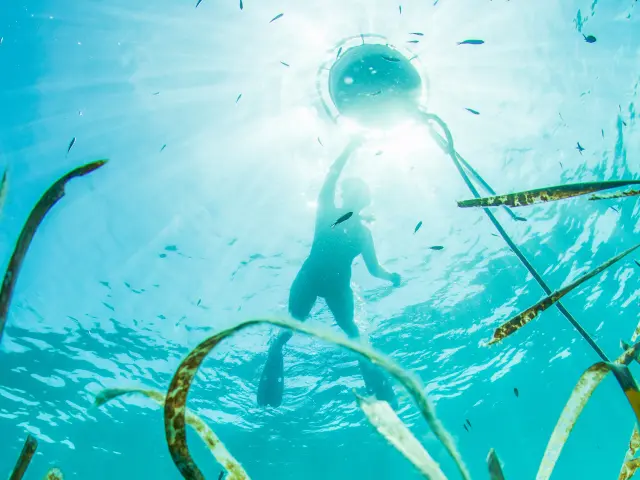
  • Posidonia seagrass beds

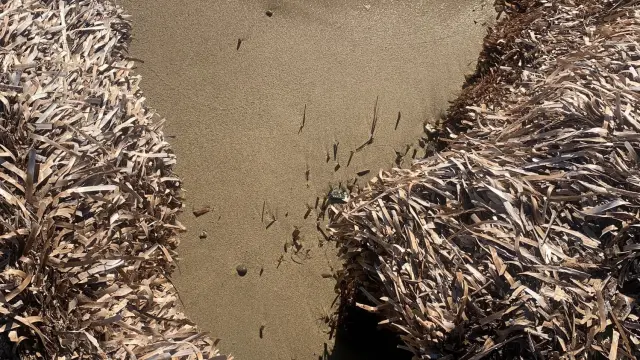
Beneath the sea lie veritable meadows: Posidonia seagrass beds, which are often mistaken for seaweed. This iconic Mediterranean plant requires light, stable salinity and calm seabeds. A healthy seagrass meadow can contain up to 1,000 leaf bundles per square metre. It produces oxygen, filters the water, provides a habitat for numerous species and protects the coastline from erosion.

  • The Terns

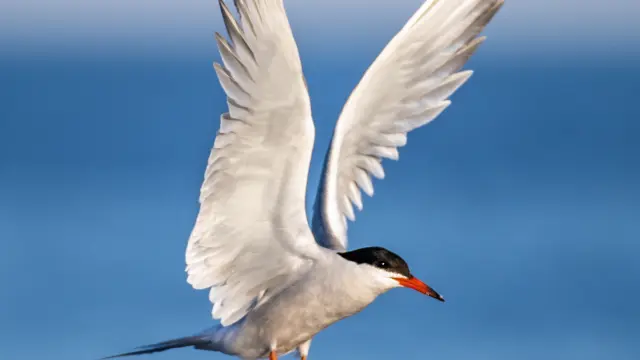
On the islet of Les Sardinaux, Common Terns have found a peaceful haven. Having arrived in 2022, they return every summer to rest and breed. Other species, such as the Caspian terns and cormorants, are also found there. Known as the ‘sea swallow’ due to its forked tail, the common tern is a symbol of this unique site of biodiversity.

  • The Loggerhead Turtle

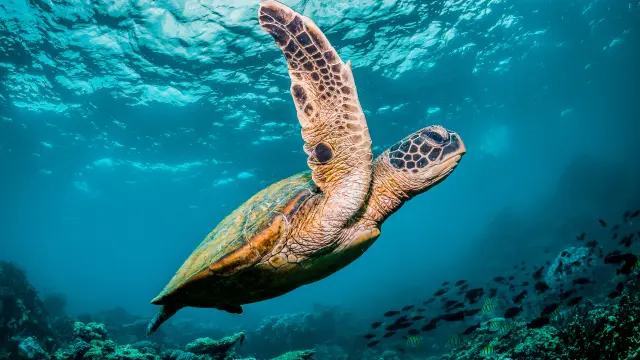
The loggerhead turtle is a migratory species that travels the seas by following the currents. It feeds on crustaceans, molluscs, fish and seaweed. It can grow up to 1 metre in length and weigh around 130 kg. It grows slowly and reaches sexual maturity late. Now threatened by pollution and overfishing, it is a protected species.

  • The Corb

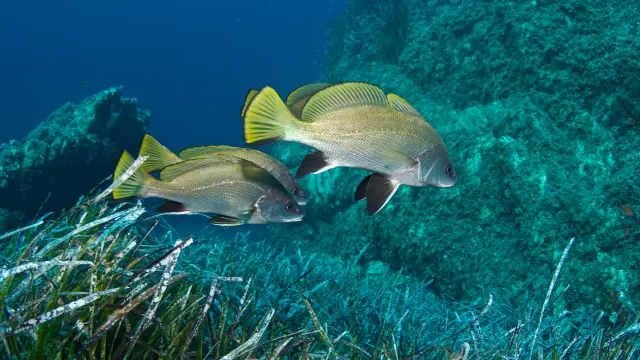
The Corb is a coastal fish recognisable by its dark colouring with bronze highlights. It lives at depths of between 5 and 30 metres, near Posidonia seagrass beds and rocks. It is often seen in groups. Discreet and calm in nature, it is particularly vulnerable to fishing.

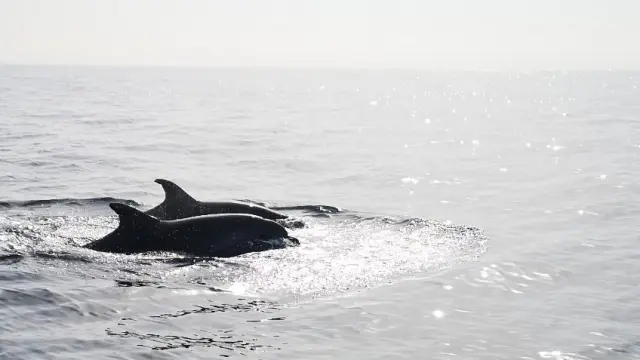
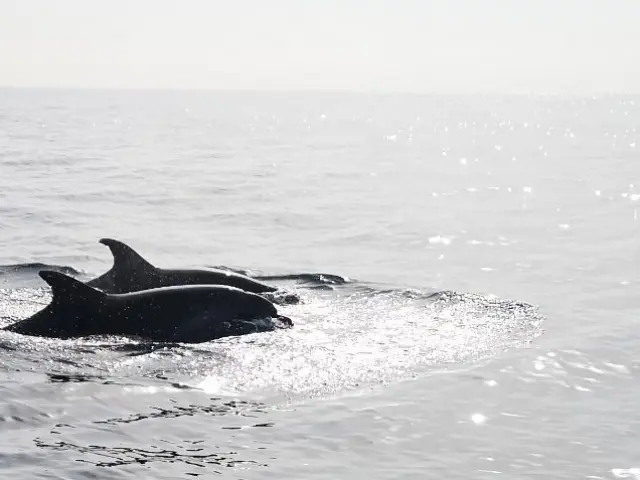
  • The Bottlenose Dolphin

Made famous by film and television, the Bottlenose Dolphin remains, above all, a wild animal to be respected in its natural habitat. It can grow up to 4 metres in length and often weighs over 300 kg. An excellent swimmer, it can reach speeds of 25 km/h and can dive for more than 15 minutes whilst hunting. It lives in groups and adapts to a wide variety of habitats.