©

9w2a5794 2

Provençal Traditions

Ajouter aux favoris

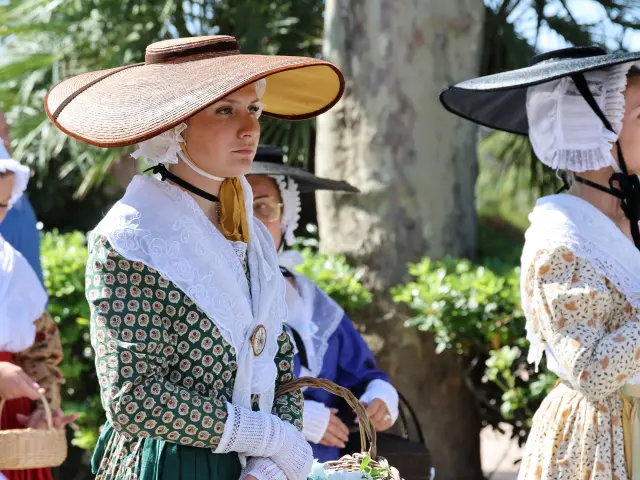
Proud of its traditions, Sainte-Maxime, like all the villages of Provence, keeps its old-fashioned festivals alive! Often linked to the changing seasons, these celebrations provide an opportunity for the locals to get together, enjoy each other’s company and keep Provençal dances and customs alive.

La Petite Maio  A celebration of youth and virtue

This traditional Provençal festival, celebrated in Sainte-Maxime on 1 May, honours youth and virtue.

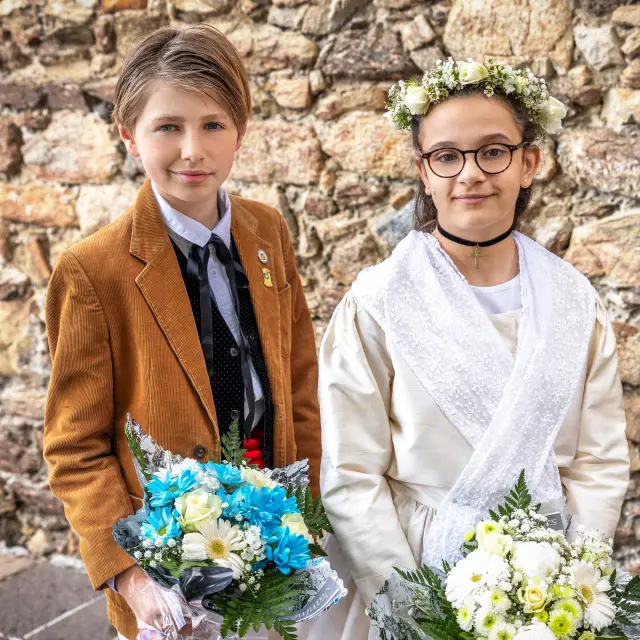
From among the children, a young girl and her knight-in-shining-armour are chosen for their kindness and devotion. The young girl, known as ‘Petite Maio’, embodies purity and innocence. Dressed in a delicate white silk gown and crowned with flowers, she awaits the arrival of an elegant horse-drawn carriage to take her to the church. At her side, her knight-in-shining-armour accompanies her with dignity, sharing this solemn moment with her.

In the heart of the church, a traditional mass is celebrated in their honour, thus perpetuating a custom steeped in solemnity and respect, where kindness and mutual support are celebrated.

Stemming from ancient spring festivals that honoured Maïa, the goddess of fertility and spring, this ceremony symbolises the elevation of moral values and the beauty of the soul, which are dear to the hearts of the people of Provence.
The Patron Saint’s Day  A Tribute to Sainte-Maxime

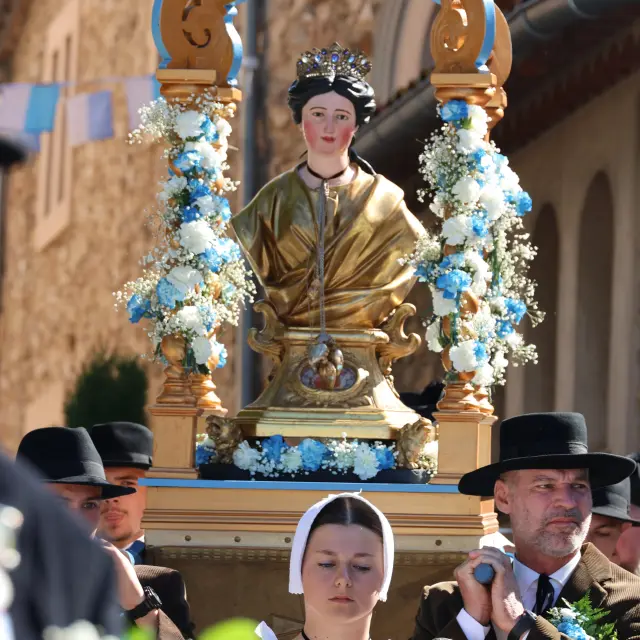
Every year, on 14 and 15 May, the town pays tribute to its patron saint.

Who is Saint Maxime?
The daughter of the Count of Grasse and a nun at Callian, she is venerated for her life devoted to God and her teaching of religious virtues. Since the 11th century, her memory has been celebrated in Sainte-Maxime, where the saint’s relics were enshrined in 1774.

The programme for the Patron Saint’s Festival:

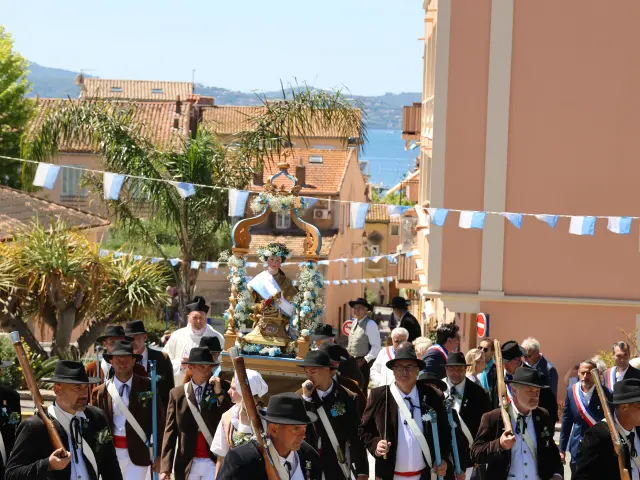
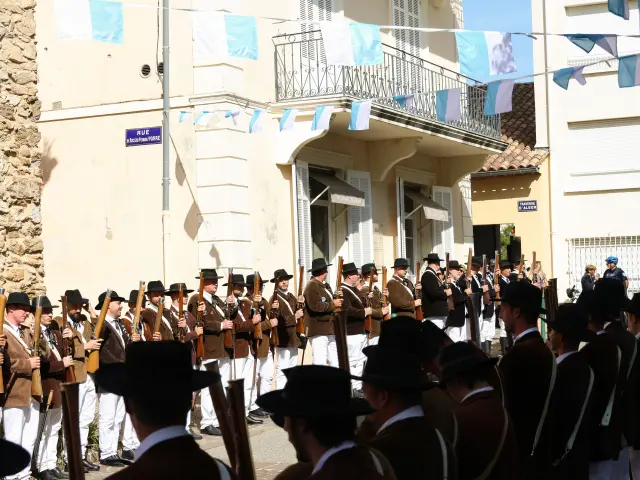
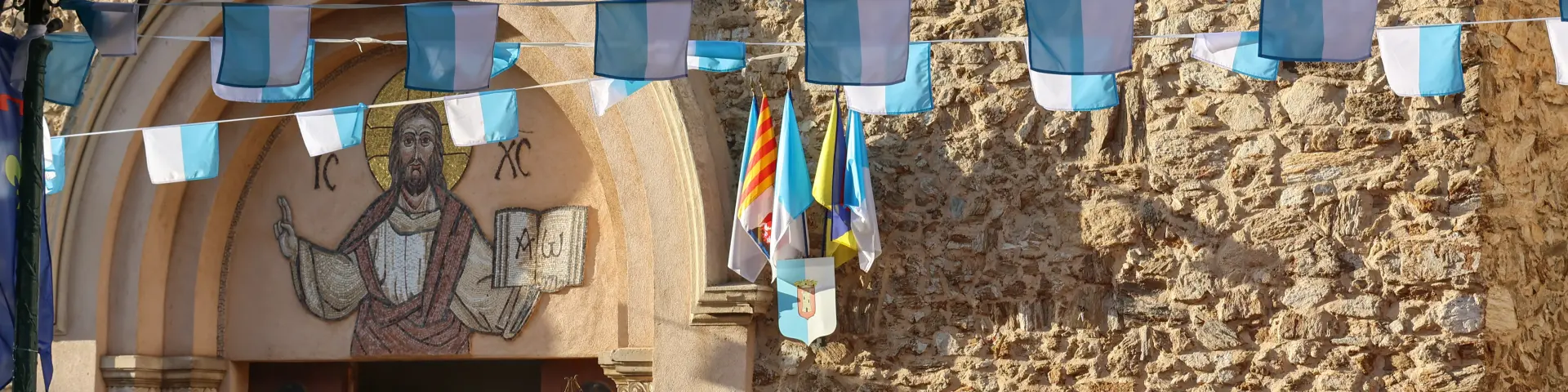
On the evening of 14 May, a ‘Major’ is appointed to lead the ‘bravade’ and the procession. On 15 May, the procession winds its way through the streets decorated in blue and white, accompanied by the local authorities, the ‘bravadeurs’ and the folk group Lei Magnoti. The bust of the saint is carried with respect, symbolising the devotion of the people of Sainte-Maxime.

St John’s Day  Summer light and fire

The summer festival of Saint John’s Day is, in fact, the feast day of John the Baptist, on 24 June.

Originally a pagan festival linked to sun worship, it was celebrated by the early Slavic peoples before the birth of Christ to bless the harvests.
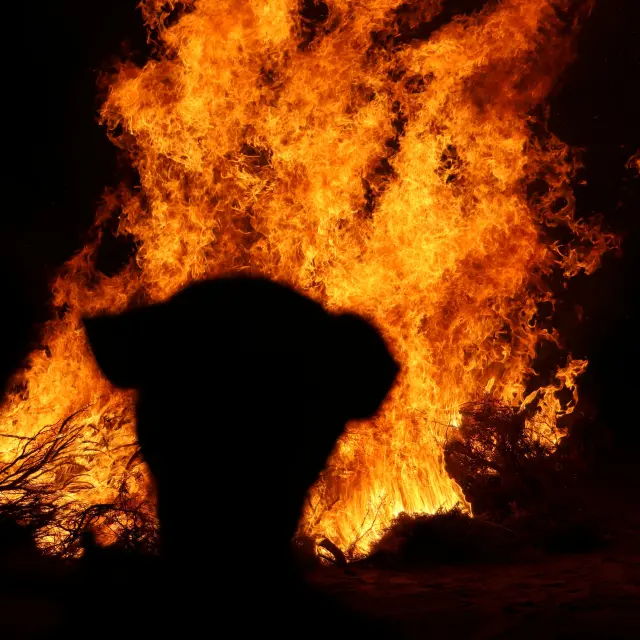
This festival was subsequently Christianised and is now celebrated around the world on 24 June, a few days before the summer solstice, to celebrate the light of summer through the St John’s fires.

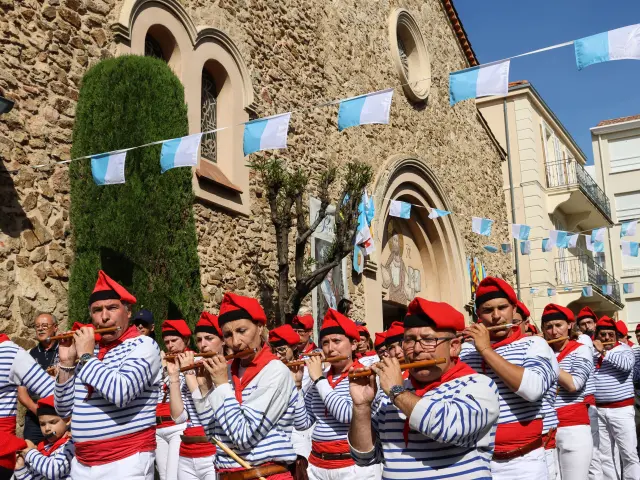
Every year, Sainte-Maxime celebrates St John’s Day in style with the folk group Leï Magnoti and the Fifres et Tambours.

It is also often an opportunity to hold a grand ball by the sea, accompanied by a fireworks display.

St Peter's Day  Fishing traditions

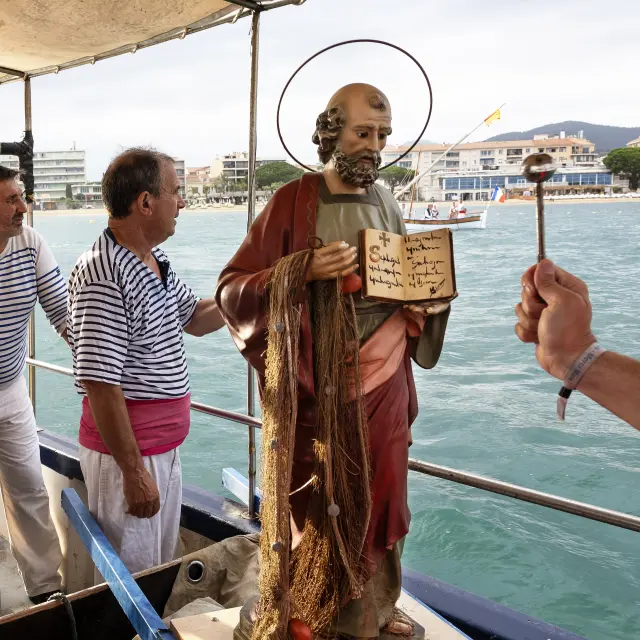
This traditional Provençal festival, which takes place on 29 June, is an opportunity to honour the patron saint of fishermen, to preserve the local traditions associated with this trade, and to celebrate age-old customs.

The custom allows fishermen to have their boats blessed for the coming year, thereby ensuring they are protected at sea from any potential disasters. They are wished a bountiful catch and a thriving trade.

On the programme: traditional dances by the folk group Leï Magnoti and the burning of the ‘Pointu’ on the beach in the town centre, followed by a large sardine feast organised by the local fishing association and the town of Sainte-Maxime.

The Grape Harvest Festival  A tribute to the winegrowers

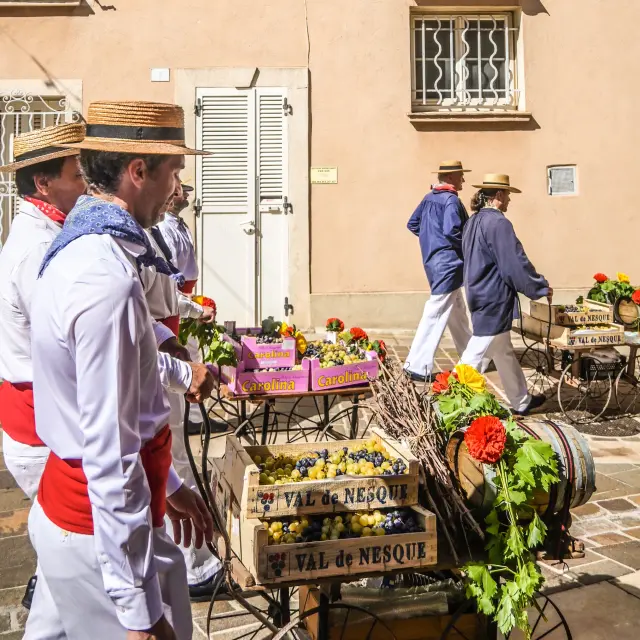
In Sainte-Maxime, the grape harvest festival is a time-honoured tradition that combines celebration and community spirit, during which the town honours both the passionate work of the winegrowers and the hope for a bountiful harvest in the coming year. To the beat of the galoubets and drums, the folk group ‘Lei Magnoti’, accompanied by other traditional groups, parades through the town.

After Mass, the priest blesses the vine stock. Carried in a procession, the stock is then set alight. In ancient times, the charred remains of the stump were believed to possess magical powers. Indeed, the burning of the vine stump is said to possess regenerative powers designed to encourage the growth of new vines.

Sharing the previous year’s wine and tasting the freshly picked grapes are moments of conviviality when the people of Maximois and visitors come together.