65675078078 002900
65675078088 002175
65675078090 002407
Frad083 45fi 0002 1 002
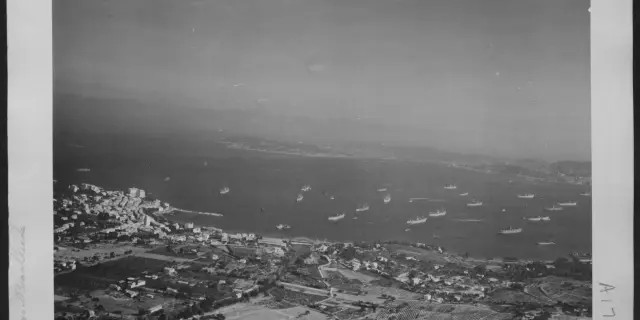
View of Sainte-Maxime
A few months earlier
Members of the Free French Forces, under the command of General de Gaulle, organised the Resistance and the rebuilding of the French army from London and North Africa. In 1943, the Allies drew up a decisive strategy against Nazi Germany, including two landings in France. The Resistance carried out intelligence and sabotage operations, thereby paving the way for the liberation of Provence.
14 August 1944: the start of the operation
At 7.15 pm, cryptic messages broadcast on the BBC – ‘Nancy has a stiff neck’, ‘Gaby is going to lie down in the grass’ – signalled the launch of operations. During the night, Allied paratroopers and commandos sprang into action to secure the access routes and prepare for the main landing.
15 August 1944
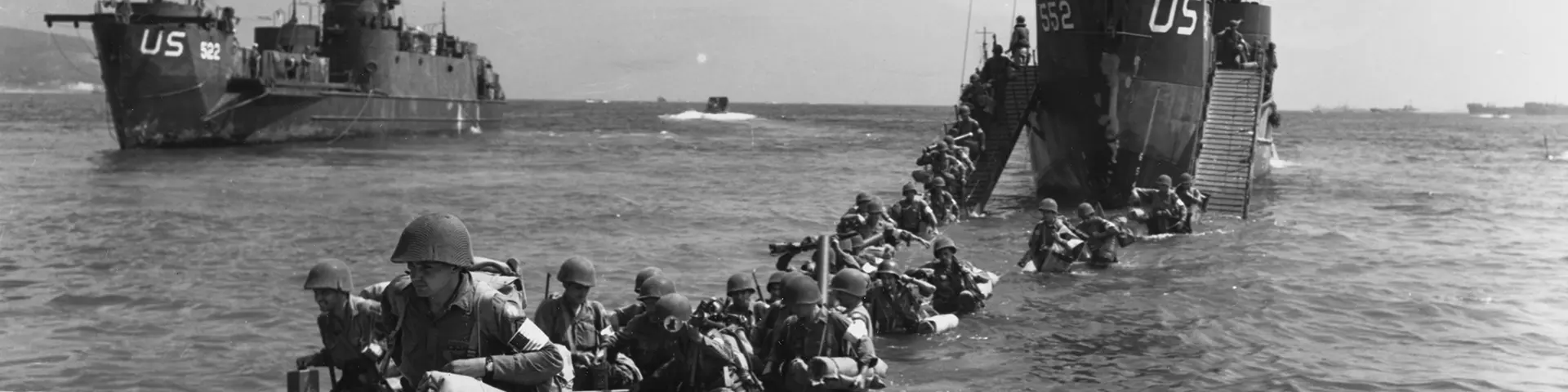
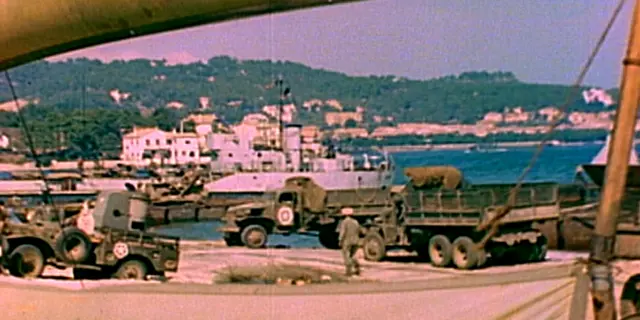
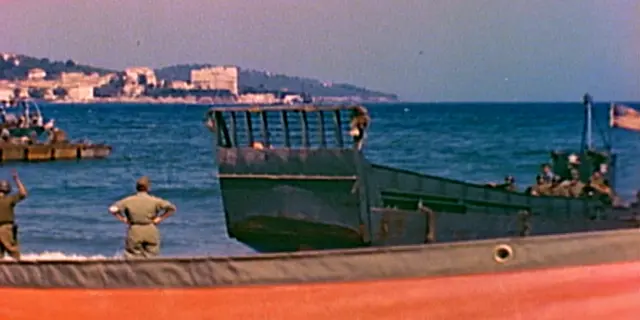
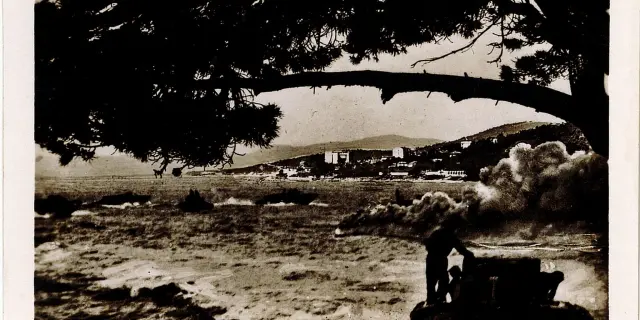
It is D-Day. At 8.00 am, three American divisions, supported by a French unit, form the first assault wave for Operation ‘Dragoon’: ‘Camel’ Force, comprising General Dahlquist’s 36th US Division; ‘Delta’ Force, comprising General Eagles’ 45th US Division; and ‘Alpha’ Force, comprising General O’Daniel’s 3rd US Division. At Sainte-Maxime, Nartelle Beach is the landing point, at the centre of the operation: Red and Green Beach on the southern part of Nartelle Beach, Yellow Beach on the northern part of Nartelle Beach, and Blue Beach on Garonnette Beach. The following night, the group from the 1st French Division, commanded by General Sudre, landed in turn to liberate Provence and France. For the first time since the defeat of 1940, a French army was to fight on home soil.
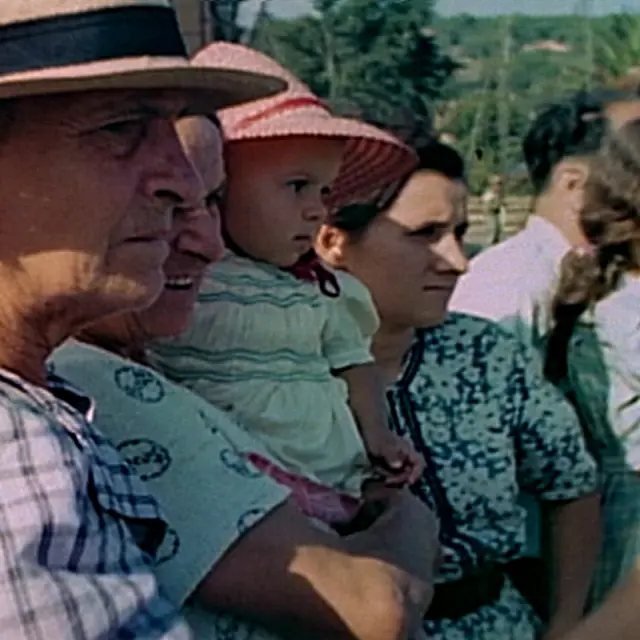
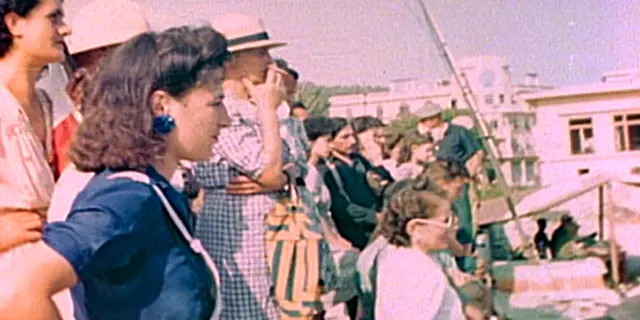
Claude, aged 20: “That liberation filled me with joy… it was fantastic to see young people; life was starting to change.”
Mireille, aged 11: “On the morning of the 15th, my brother came back with a packet of Camel cigarettes: the Americans were here!”
Jean-Pierre, aged three and a half: “The GIs spoilt me with sweets and chewing gum that I’d never seen before!”