History & Local CharacterWines from Provence in Sainte-Maxime
Tasting a Provence wine in Sainte-Maxime means savouring 2,600 years of history. It all began with the Phocaeans, who founded Marseille and introduced viticulture to France.
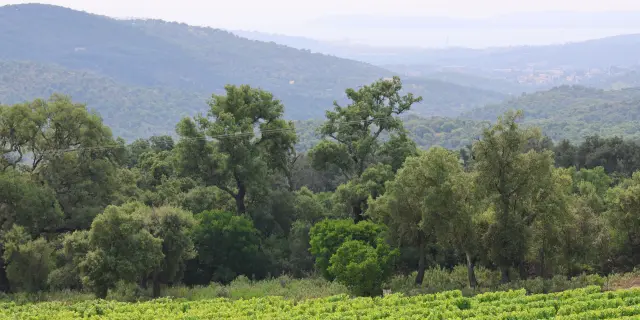
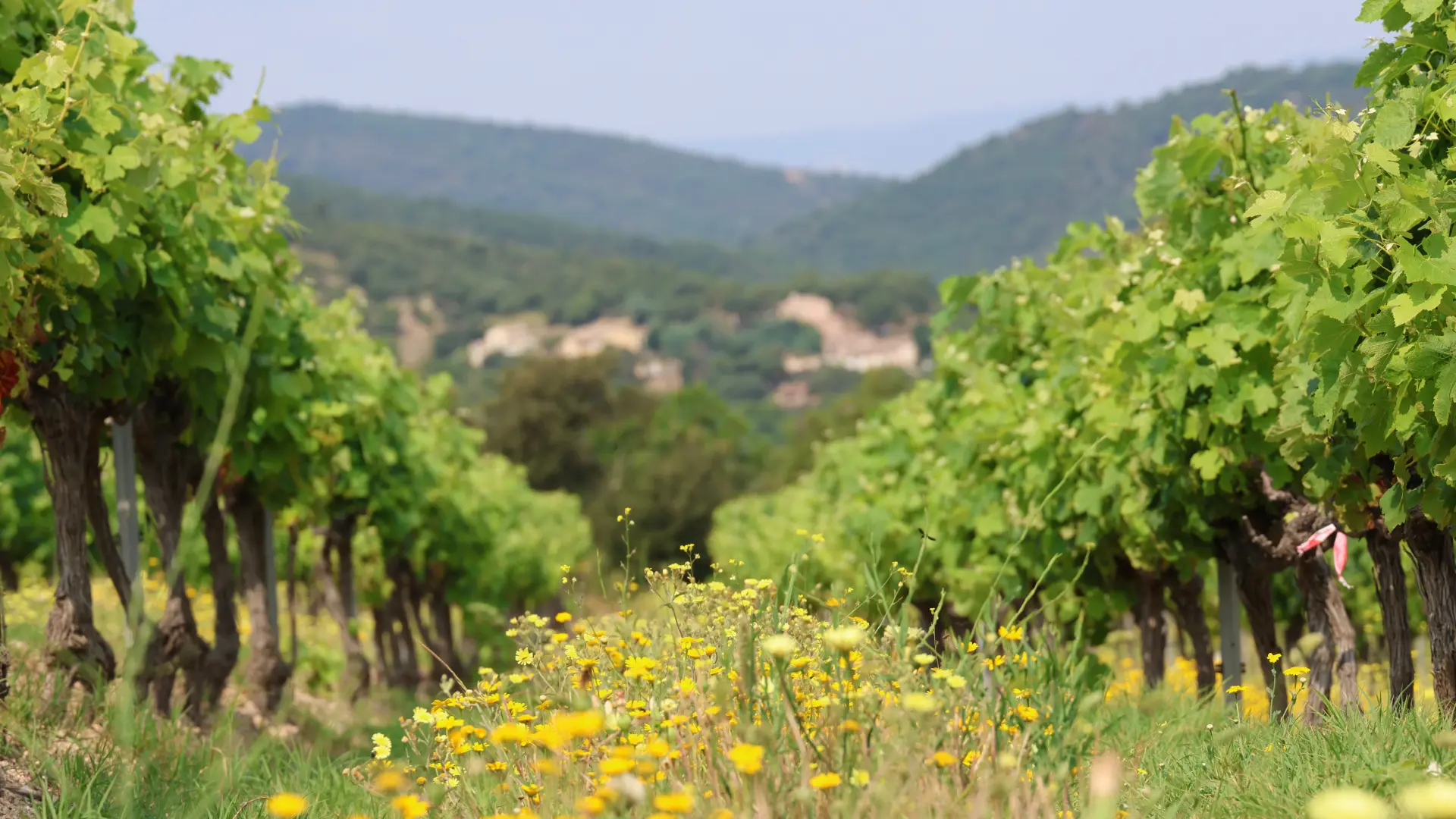
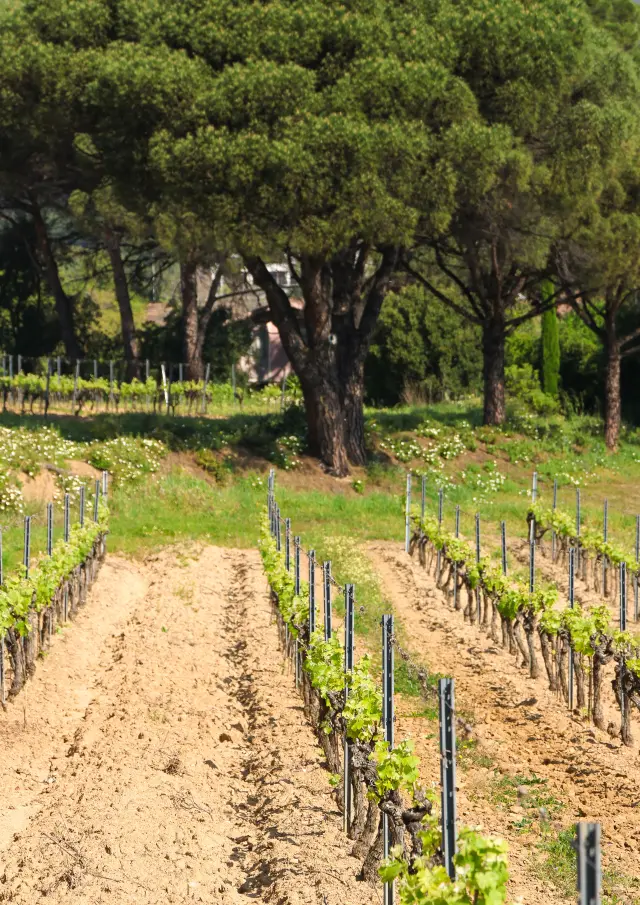
Since then, Provençal viticulture has shaped the landscape and culture of the region, stretching between the Mediterranean and the Alps, across nearly 200 km of vineyards, mainly in the Var and Bouches-du-Rhône departments.
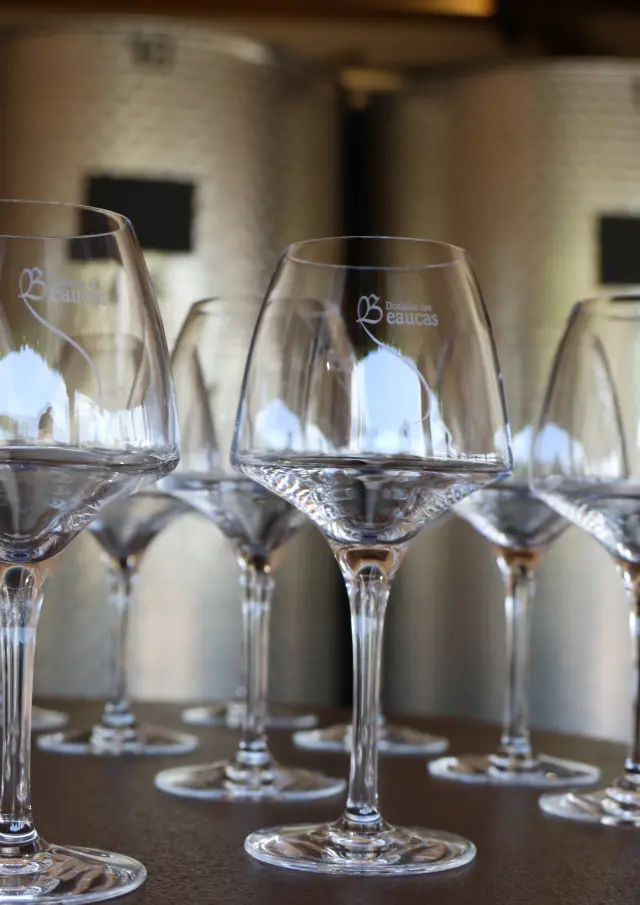
Beaucas Estate
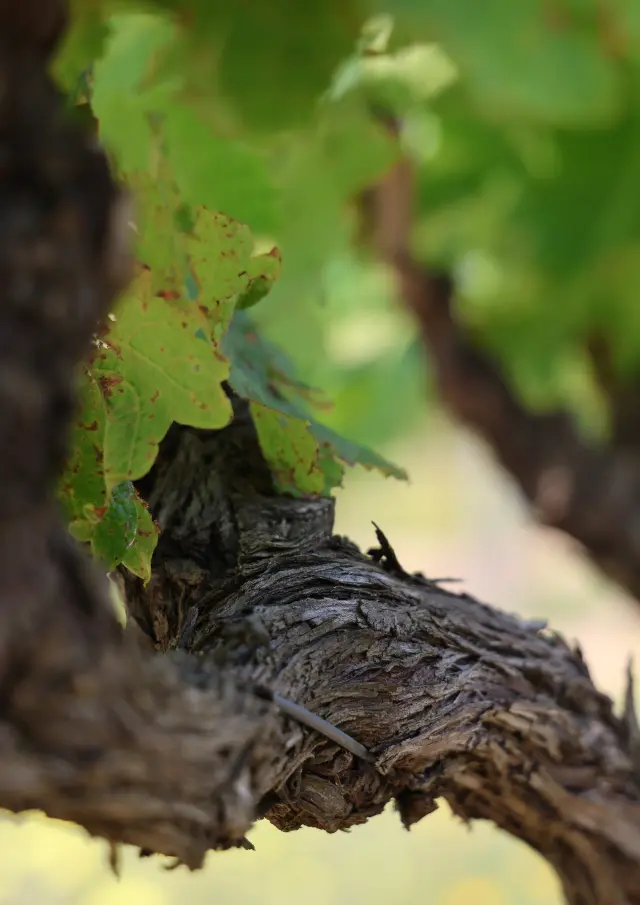
Beaucas Estate
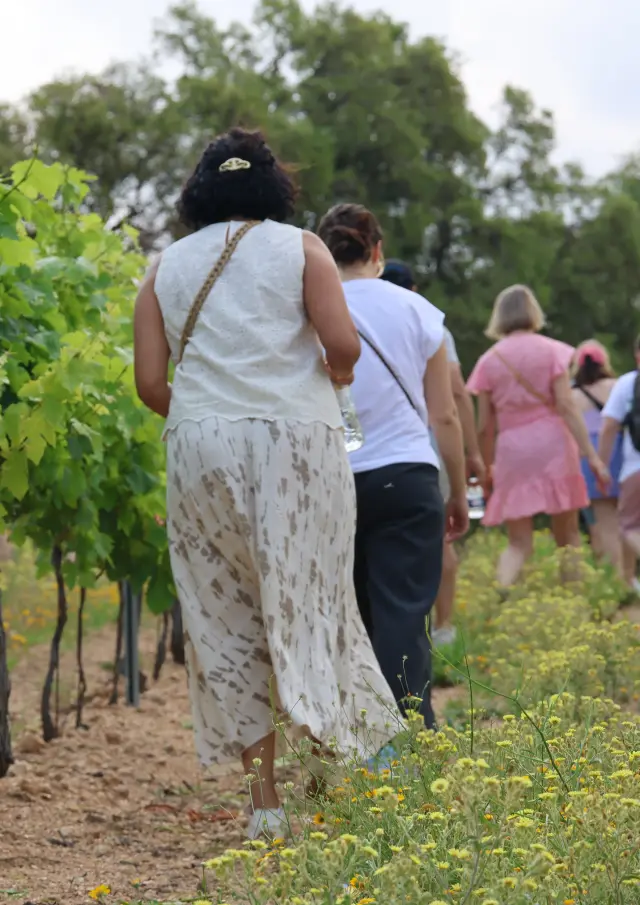
Beaucas Estate
GeologyThe Côtes de Provence
The Côtes de Provence appellation is not limited to a single terroir: it comprises five major natural areas, spread across three sub-appellations, each with its own geological and climatic characteristics.
- Geology: a combination of limestone soils in the north and west, and crystalline soils in the south and east.
- Climate: Mediterranean, but influenced by the terrain and proximity to the sea, offering ideal conditions for vine growing.
This diversity enables the production of unique wines that reflect the Provençal terroir.
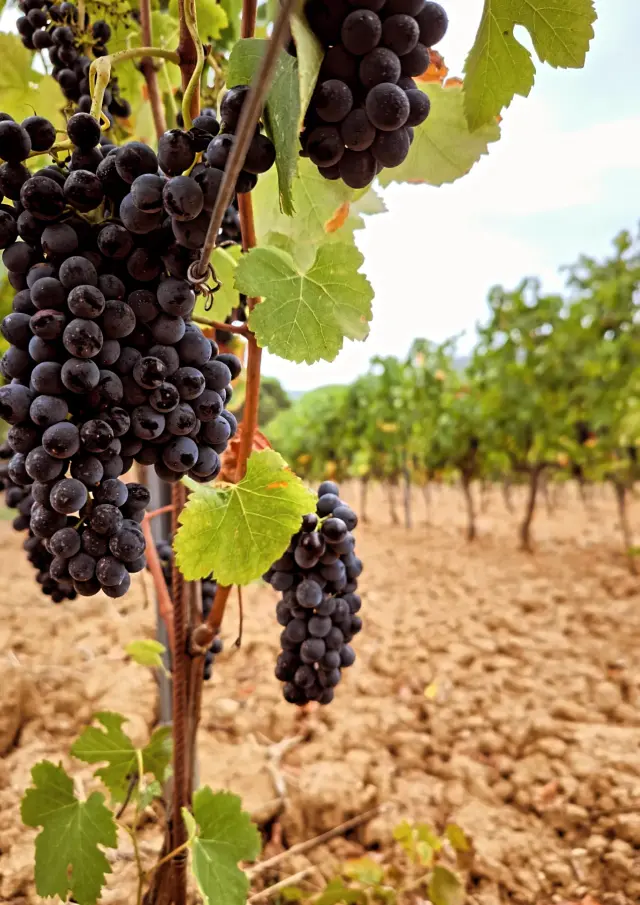
Img 20240908 012629 092
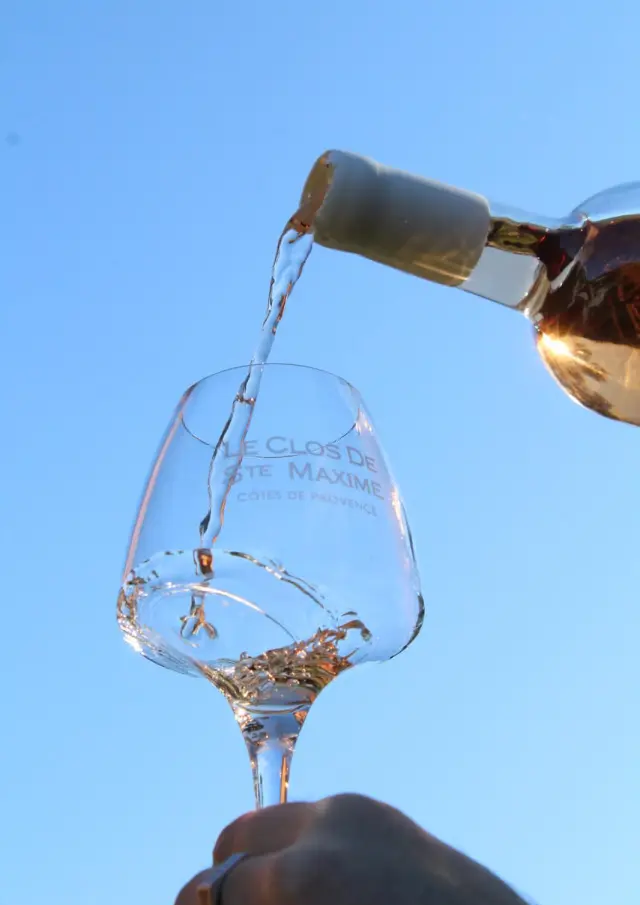
Img 20260319 Wa0003
Ot Sainte Maxime Lea Scappini 8722
Wine-makingGrape varieties
Wines from the Côtes de Provence are generally made from blends, a time-honoured technique that involves vinifying each grape variety separately before blending them to produce a balanced and harmonious wine.
- Red and rosé grape varieties: Syrah, Grenache, Cinsault, Tibouren, Mourvèdre, Carignan, Cabernet Sauvignon.
- White grape varieties: Rolle, Ugni Blanc, Clairette, Sémillon.
This method brings out the unique qualities of each grape variety and creates delicate, aromatic wines, perfect for pairing with Provençal cuisine.